
Moiré in Photography – A Common Issue in Professional Portrait Photography
As a corporate photographer with over 30 years of experience, I’ve encountered almost every possible challenge in professional portrait sessions. One issue that consistently affects business headshots is moiré – a distracting pattern that can undermine otherwise excellent professional portraits.
When clients ask what to wear for their headshot session, my advice is straightforward: wear what suits your professional style, business, and brand. However, there’s one specific recommendation I always emphasise – avoid fine patterns in your clothing, particularly for men’s shirts. This simple adjustment helps prevent a technical photography issue that can be difficult to fix later.
Understanding Moiré Patterns
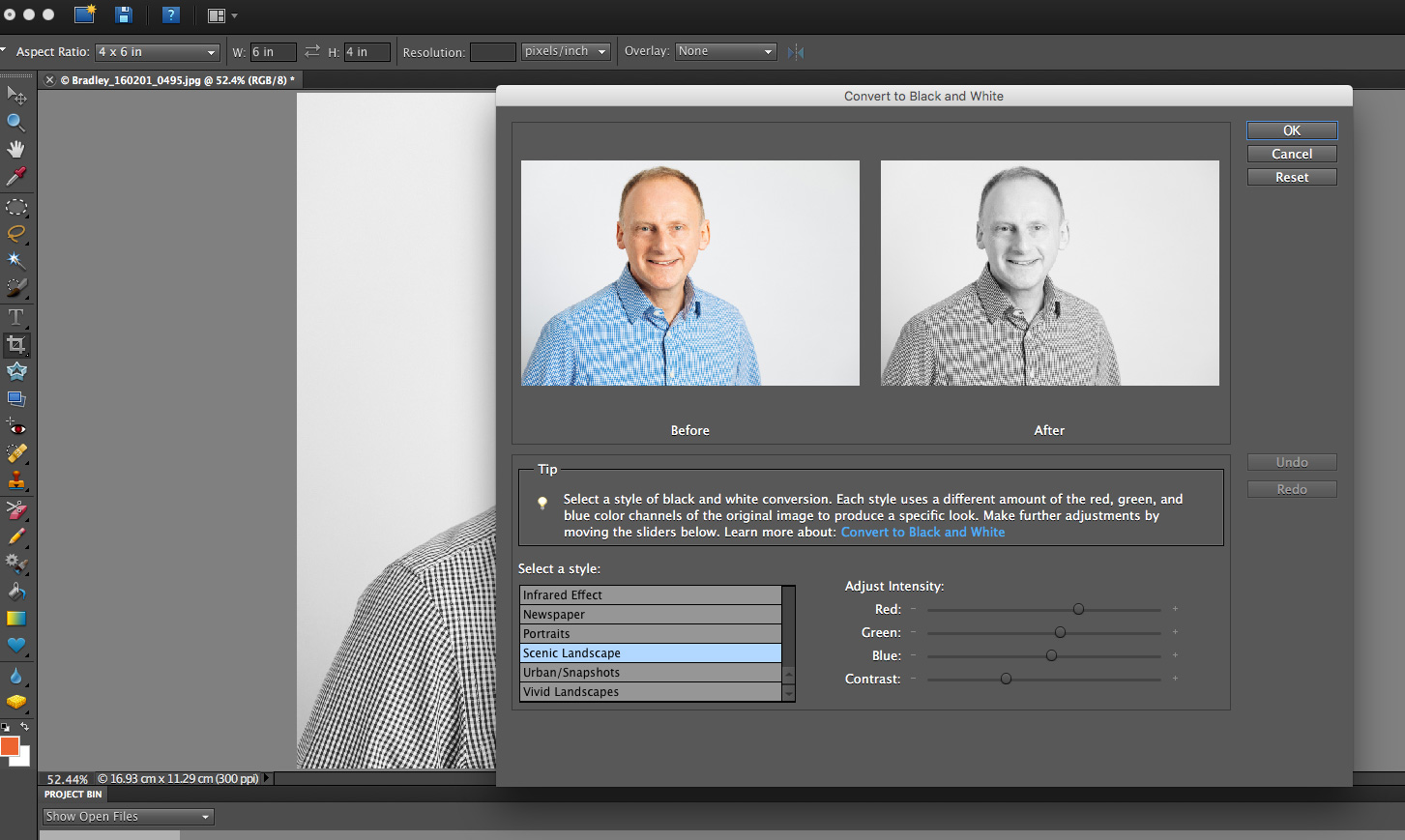
Moiré occurs when a photograph contains repetitive details (such as dots, lines, checks, or stripes) that conflict with the camera sensor’s resolution. The camera produces a strange-looking wavy pattern over the fabric that distracts from the professional image you’re trying to present.
This issue is particularly common with:
- Gingham or fine-checked shirts
- Narrow striped patterns
- Textiles with small repetitive designs
- Fine herringbone or houndstooth patterns
What makes moiré particularly problematic is that it doesn’t always appear immediately. Sometimes the original high-resolution image looks fine, but when that image is compressed for use on LinkedIn, company websites, or social media, the distortion suddenly becomes visible. Similarly, an image might look perfect in colour but develop moiré patterns when converted to black and white.
Why This Happens in Digital Photography
Modern digital cameras create images by capturing light on a sensor with millions of tiny pixels arranged in a grid pattern. When this grid pattern encounters another pattern (like the weave of a fine-checked shirt), the two patterns can interfere with each other, creating this third, unwanted pattern.
While some camera models once included anti-moiré filters, many manufacturers have removed these filters in newer models to improve image sharpness. This design choice delivers crisper images overall but increases the likelihood of moiré occurring with patterned clothing.
Solutions for Professional Portraits
The most effective solution is preventative – avoid wearing fine patterns for your professional headshot session. Opt instead for solid colours or very large patterns that won’t conflict with the camera’s sensor resolution.
If moiré does appear in your images, there are some post-processing techniques in Photoshop and Lightroom that can reduce the effect. However, these corrections are rarely perfect and often involve compromising image quality in other ways. As with many photography issues, prevention is far more effective than correction.
Practical Advice for Your Headshot Session
For your professional portrait session, consider these practical guidelines:
For men: Choose solid coloured shirts. Navy, light blue, gray, and white shirts typically photograph well without causing moiré.
For women: Solid colours generally work best. If you prefer patterns, choose larger designs rather than fine, repetitive ones.
For everyone: Bring a change of clothing options to your session. This allows us to test different looks and ensure we capture images without technical issues.

Professional Headshots That Work for You
At Jon Bradley Photography, we focus on delivering high-quality professional headshots that serve your business objectives. Understanding technical challenges like moiré helps us provide practical advice that ensures excellent results.
Our straightforward approach and attention to these details mean you receive images that work effectively across all platforms – from your website and LinkedIn profile to marketing materials and company reports.
If you’re planning a professional headshot session and have questions about what to wear, drop us a line. We provide all clients with a comprehensive headshot preparation guide that covers clothing choices, grooming tips, and other practical advice to ensure your session produces the best possible results.